“We started our business in Africa in 2004, and over the years we have built a sound service and sales network in Africa.” This is how Zhai Yifeng, New Media Marketing Manager of Weichai Lovol, described the company’s footprint at the 3rd China‑Africa Economic and Trade Expo. This presence is no overnight achievement. Today, Weichai Lovol’s agricultural machinery has established sales networks in more than 30 African countries, with a market share of over 30% for large and medium‑sized tractor exports.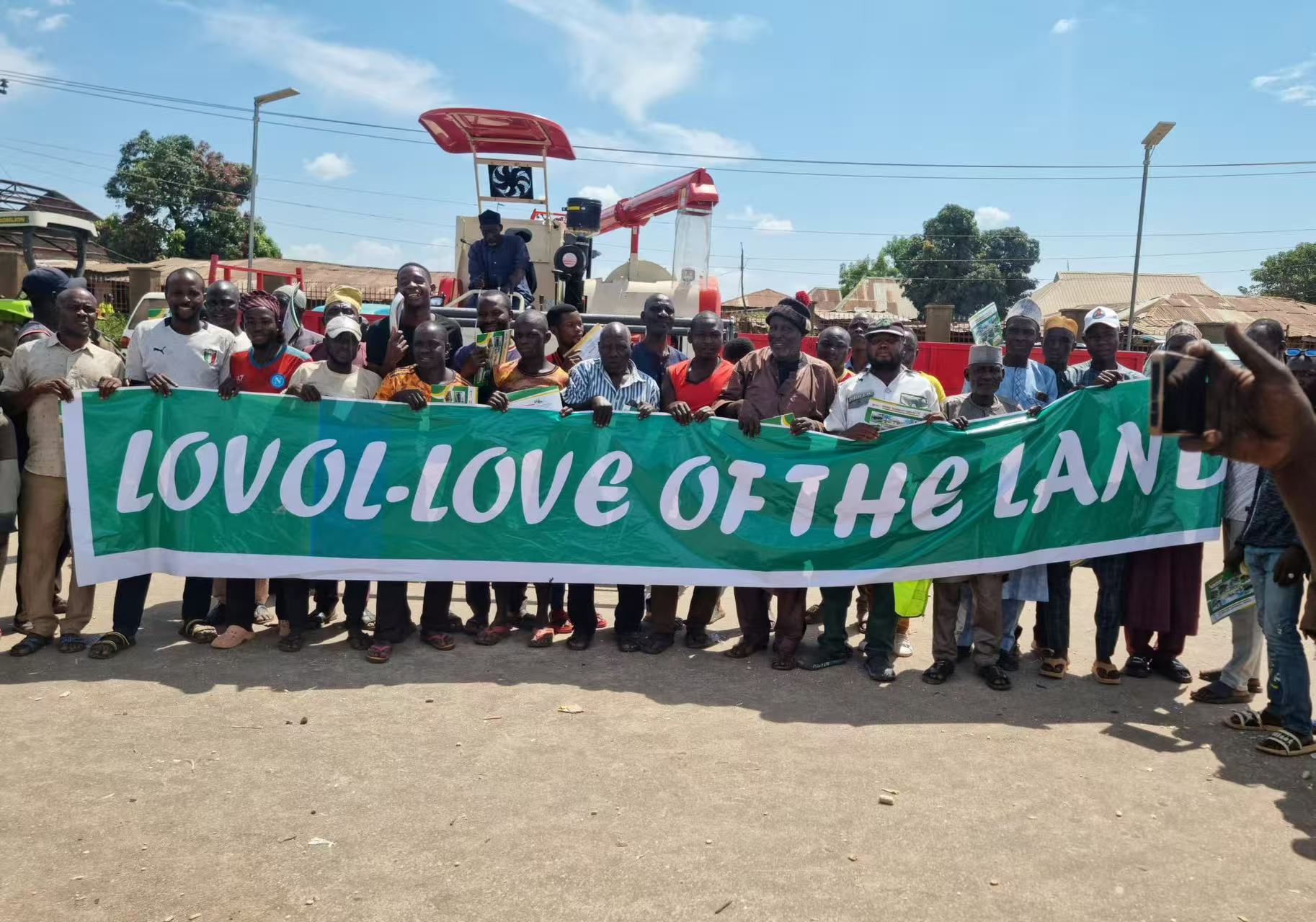
Localised product customisation has been the first key for Weichai Lovol to open the African market. The company has launched a range of customised models tailored to the climate, crop types and soil conditions of African countries. The TD1304 tractor shown at the 4th China‑Africa Economic and Trade Expo was specifically designed for Africa – 140 horsepower, four‑wheel drive, equipped with a comfortable Grammer seat to ensure high operational efficiency under demanding working conditions. In Nigeria, Weichai Lovol focuses on medium‑sized tractors and multi‑crop combine harvesters, specially adapted for rice, wheat and millet cultivation. China Industrial News noted that Chinese agricultural machinery companies are adopting a “fit‑for‑purpose” improvement strategy, including strengthening cooling systems to cope with Africa’s hot and dry climate, and adjusting attachment devices to match local working habits.
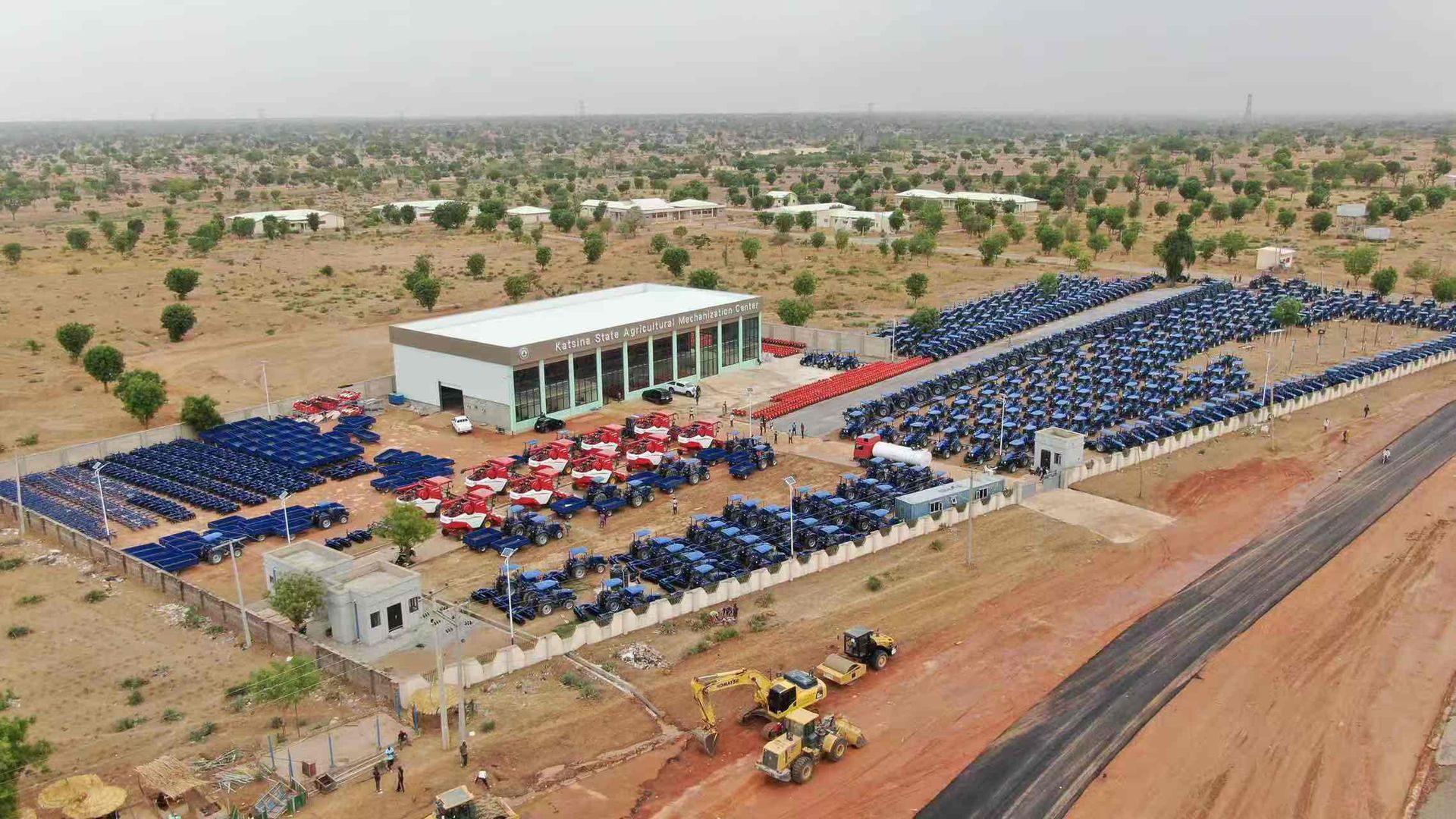
Deepening local production demonstrates Weichai Lovol’s long‑term commitment to Africa. In Mali, West Africa, dealer Mr. Oumar has been cooperating with Weichai Lovol for ten years. “From agricultural tractors in the beginning to mining and construction equipment today, we have seen the continuous improvement of Lovol products,” Mr. Oumar explained. He introduced that the tractor assembly line they set up in Bamako not only enables local production but also radiates products across the West African market. This model – moving from simple trade to deep local cooperation – represents Weichai Lovol’s long‑term strategic thinking for overseas markets.
In Nigeria, Weichai Lovol’s localisation efforts are also advancing on a broad front. In October 2025, the Kano State Government held a high‑level meeting with Sankara Nigeria Limited and Weichai Lovol Nigeria to launch an agricultural alliance partnership. Sankara Nigeria has been providing world‑class tractors, implements and spare parts to Nigerian farmers since 1978. This partnership ensures that farmers have access to cutting‑edge equipment that reduces labour, increases efficiency and enhances profitability. Earlier, Weichai Lovol had invited Nasarawa State Governor Abdullahi Sule to visit its manufacturing plant in China. Governor Sule called on Weichai Lovol to consider establishing workshops and training centres in the state, as well as providing agricultural machinery repair and maintenance services, along with citizen retraining.
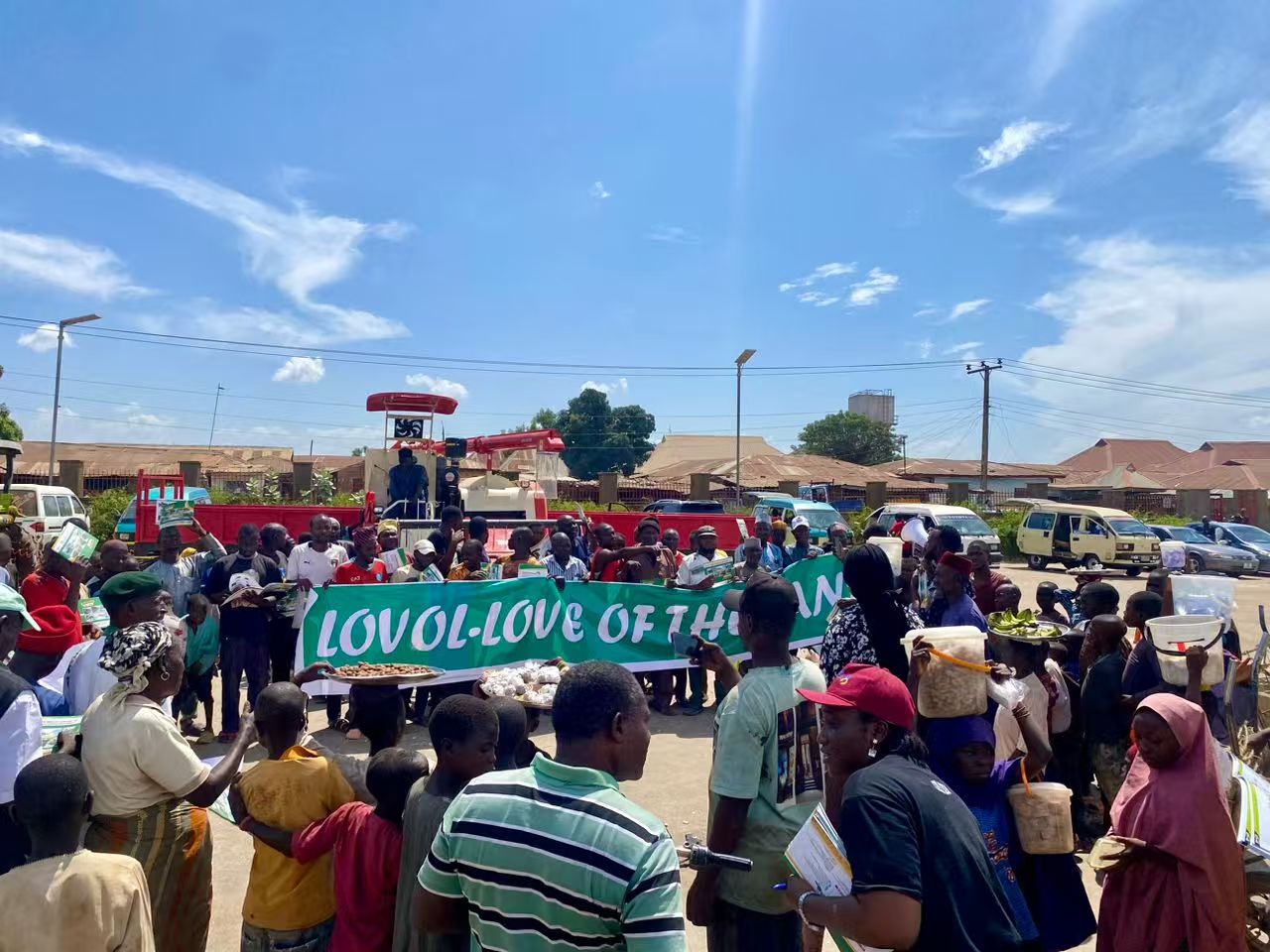
A talent cultivation system is an essential part of Weichai Lovol’s whole‑system go‑global strategy. The youth mechanisation training programme, implemented together with local partners, is injecting fresh talent into Nigeria’s agricultural modernisation. This programme provides hands‑on training in modern machinery operation, repair and maintenance, aiming to nurture a new generation of technical professionals who can drive Africa’s agricultural transformation. The training site in Zaria, Kaduna State, attracts participants from across the region, and the local community has enthusiastically supported the initiative.
A robust supply of spare parts is the cornerstone of Weichai Lovol’s trust‑building with African customers. The company has established an extensive parts distribution network in Africa, setting up spare parts warehouses and training hubs in countries such as Mali and Zambia to ensure that agricultural machinery can receive timely repair and maintenance support at any time. Weichai Lovol regularly dispatches sales and service personnel to Africa to provide professional training for dealers, and sets up parts depots to secure after‑sales service. From finished machine exports to “system” go‑global, Weichai Lovol simultaneously delivers after‑sales service networks, technical training systems and spare parts supply channels to the destination markets, forming a complete service loop.
Backed by the full‑industry‑chain synergy of Shandong Heavy Industry and Weichai Group, Weichai Lovol has built a unique competitive edge. As one overseas dealer commented: “As a major player in the group’s construction machinery sector, Lovol enjoys the entire group’s supply chain resources. This allows us dealers to benefit from stricter quality control, a wider product range and more abundant spare parts supply channels.” This kind of whole‑value‑chain collaborative innovation has given Weichai Lovol a differentiated advantage in the global market.
Looking ahead, Weichai Lovol will continue to deepen its localisation strategy in Africa, setting up assembly lines and training bases in more countries, so that “Made in China” truly becomes part of the pulse of African agricultural development and lights the path to modernisation with technology.